Dancing isn’t just a form of self-expression; it's a magical way for kids to shake off their worries and navigate the tumultuous waters of childhood stress. As parents, caregivers, and educators, we're often on the lookout for effective strategies to help children cope with anxiety and tension. So, how does dancing come into play? Let’s dive deep into the world of dance and explore its incredible benefits for children.
What Is Stress in Kids?
Stress isn’t solely an adult issue; kids face various pressures too. From academic responsibilities to social dynamics, the little ones can feel overwhelmed.
Understanding Childhood Stress
Childhood stress can manifest in numerous ways:
- Behavioral Changes: Increased irritability or mood swings. Physical Symptoms: Headaches or stomachaches without any medical cause. Cognitive Challenges: Difficulty concentrating or making decisions.
Common Causes of Stress in Children
Why do kids experience stress? Common culprits include:
- Academic expectations Peer pressure Family dynamics The influence of social media
Understanding these triggers is crucial for addressing them effectively.
‘Shake It Off!’ How Dancing Helps Relieve Stress in Kids
Now we get to the fun part—dancing! So why should we recommend this energetic activity as a way to combat stress?
The Therapeutic Benefits of Dance
Dancing works wonders on both physical and mental levels:
Boosts Endorphins: Physical activity releases endorphins, promoting feelings of happiness. Enhances Social Skills: Dance classes provide opportunities for teamwork and friendship. Encourages Self-Expression: Kids can express their emotions through movement, leading to a sense of liberation.Dance Styles That Promote Stress Relief
Different dance styles cater to different interests. Here are some popular options:
- Hip-Hop: Fast-paced and energetic; it allows kids to let loose. Ballet: Promotes discipline and grace while enabling emotional expression. Jazz: Fun and upbeat; great for social interaction.
Each style has unique benefits that can help reduce stress levels.
The Science Behind Dance as Stress Relief
What does research say about dance's effectiveness in reducing stress? Let’s explore the evidence!
Studies Show Positive Outcomes
Numerous studies indicate that engaging in dance reduces symptoms of anxiety:
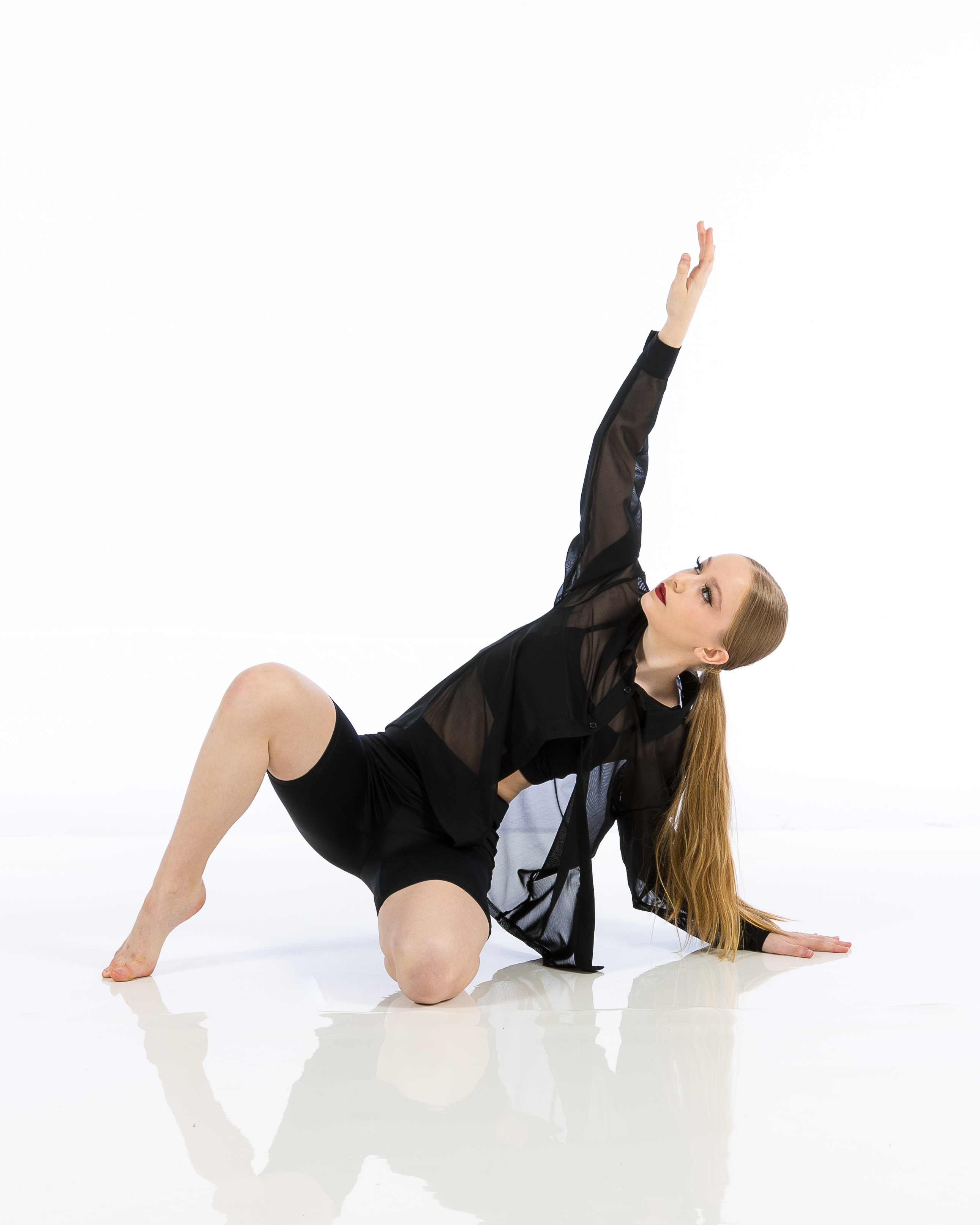
These findings highlight dance as not just fun but also a scientifically backed method for managing stress.
Creating a Dance-Friendly Environment at Home
How can you foster an appreciation for dance at home? Here are some tips:
Setting Up a Dance Space
Clear a safe area where your child can move freely. Add mirrors if possible—this helps them see their moves! Create an energizing playlist filled with their favorite tunes.Make It Fun!
Encourage spontaneous dance parties! Just put on some music and let loose together—it’s all about having fun!
Incorporating Dance into Daily Routine
How can you seamlessly integrate dancing into your child's daily life?
Morning Wake-Up Dance Party
Start the day with a bang! A 10-minute morning dance session can energize your kiddo and set a positive tone for the day ahead.
Post-School Dance Breaks
After school, kids often need a break from academic pressure. Encourage them to take a short 15-minute dance break before tackling homework—this will refresh their minds!
Dance Classes: A Structured Approach to Learning
Want to take things up a notch? Enrolling your child in formal dance classes might be just what they need!
Finding the Right Class
Here are some pointers when searching for classes:
- Look at local studios offering diverse styles. Consider age groups; they’ll feel more comfortable with peers.
Benefits of Group Classes
Group classes encourage collaboration, community spirit, and shared experiences—all essential elements in building resilience against stress.
Parent Involvement: Dancing Together as a Family
When parents join in the fun, it strengthens bonds while also fostering joy!
Family Dance Nights
Designate one night each week as “family dance night.” Take turns picking songs—it's an excellent way to share tastes while enjoying each other’s company!
Participate in Community Events
Many communities host family-friendly dance events or festivals—these are perfect opportunities for bonding while exploring various cultures through their traditional dances!
Dance Styles That Are Kid-Friendly
Kids thrive when they have choices! Let’s look at some popular kid-friendly dance styles:
Ballet: Grace Under Pressure
Ballet teaches discipline, patience, and body awareness—skills that benefit children beyond dancing.
Why Ballet Matters
It instills confidence as kids master intricate steps and perform elegantly during recitals.
Fun Fact About Ballet
Did you know many famous ballet dancers started training at an early age? This affirms that early exposure pays off!
Hip-Hop: Express Yourself Freely
Hip-hop is vibrant, energetic, and connects well with today’s popular culture—all appealing elements for kids!
Benefits of Hip-Hop Dancing
This style encourages creativity while allowing kids to express themselves without boundaries—perfect for releasing pent-up energy!
A Note on Street Culture
Many hip-hop moves are rooted in street culture; engaging with this style introduces children to history while keeping them fit.
Jazz: The Spice of Life
Jazz incorporates rhythmical improvisation—a thrilling aspect that keeps things exciting!
Why Choose Jazz?
It promotes individuality within group settings—kids learn how to improvise while collaborating with others!
Famous Jazz Dancers To Inspire Your Kids
Showcase iconic dancers like Bob Fosse or Alvin Ailey—they'll find motivation watching these legends shine on stage!
How Does Dancing Affect Mental Health?
Dancing doesn’t merely affect physical health; it has profound impacts on mental well-being too:
Mood Enhancement Through Movement
Engaging physically boosts serotonin levels—the "feel-good" hormone—which directly affects mood positively!
Question: How long should my child dance for mood enhancement?
Generally speaking, even short sessions (15-30 minutes) several times weekly yield noticeable effects on mood improvement.
Tip: Encourage kids not only during structured classes but also unstructured playtime when they feel like moving around spontaneously!
Fostering Emotional Intelligence Through Dance
Dancing teaches children about feelings—their own and those expressed by others through performance art:
Developing Empathy
As they watch others perform emotive routines or learn choreography reflecting specific themes (like love or sadness), children develop greater empathy towards different perspectives.
How Can Parents Help Foster This Skill?
Encourage discussions about what emotions certain movements convey—it enhances understanding both artistically & emotionally alike!
Building Confidence Through Performance
Taking part in performances instills tremendous confidence within young dancers:
Facing Fears Head-On
Overcoming stage fright during recitals fosters bravery—a skill transferable across various life challenges encountered later down life paths!
Encouragement Is Key
Ensure your little one knows practice makes perfect—it’s okay if mistakes happen; learning happens through trial-and-error situations!
The Role Of Music In Enhancing The Experience
Music serves as the backbone supporting every dancer's journey—it fuels creativity while elevating overall experience:
Rhythm And Melody Matter
Certain rhythms may evoke particular moods depending upon tempo/speed used throughout routine performances so explore genres ranging from classical melodic tones right up until contemporary pop hits!
Exploring Different Genres
Introduce diverse musical styles alongside varied choreographies once comfort levels increase over time regarding flexibility being vital here too since discovery leads growth naturally occurring within artistic expressions themselves!
FAQ Section
What age is appropriate for my child to start dancing?- While there's no strict age limit; many studios offer classes starting around three years old focusing primarily on fun activities before transitioning towards technique-based lessons later down lines based age appropriateness factors involved…
- For beginners (especially younger ones), once-a-week sessions suffice initially until they grow more comfortable progressing towards more frequent attendance post-acclimatization period…
- Absolutely! Engaging regularly creates healthy coping mechanisms allowing individuals gradually understand feelings better whilst channeling energies towards constructive outlets rather than destructive behaviors stemming from anxieties faced daily…
- Generally speaking basic attire like leotards/ballet shoes suffice depending upon chosen styles however check studio guidelines beforehand ensuring proper footwear required according respective preferences regarding safety protocols maintained therein…
- As long as instructors focus primarily upon safe practices utilizing appropriate warm-ups/cool-downs alongside tailored approaches catering individual needs then risks remain minimal overall…
- Many studios encourage parental involvement especially during beginner courses fostering closer bonds whilst enhancing comfort levels experienced throughout respective journeys taken together collectively…
Conclusion
Dancing truly possesses magical qualities capable of transforming lives—including those tiny ones navigating https://pingdirapp46.directoryup.com/sherwood/top-level-category-1/doty-performance childhood challenges all around us daily! From relieving stress effectively through expressive movements right up until building confidence needed overcome fears faced head-on…there's never been better time introduce our kiddos into wonderful world awaiting discovery within rhythmic beats surrounding every corner waiting patiently ready embrace new adventures offered therein collectively together unitedly bonding forevermore cherished memories created along pathways explored endlessly lasting lifetimes beyond mere moments passing fleetingly away unnoticed otherwise forgotten…so why Dance Styles in King City wait any longer?! Grab those dancing shoes let’s shake it off today!